STORIES BEHIND THE IMAGES
Giants of the tiny world
Sometimes the greatest wilderness begins only a few centimetres above the ground. Between stalks, ears of grain and seed heads, I discovered a world filled with courage, skill and boundless energy – a world in which tiny mice become true acrobats.
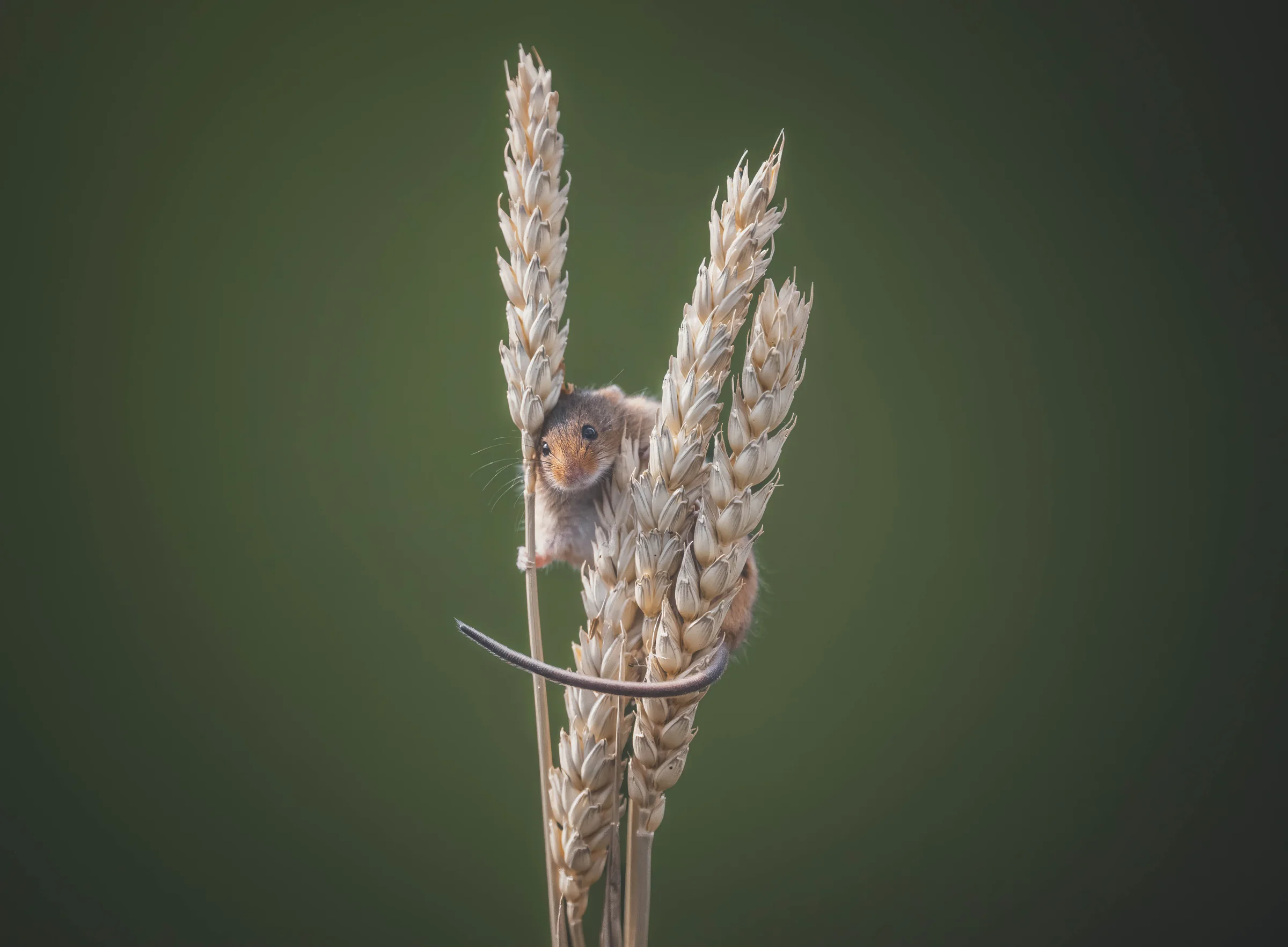
A hidden world among the stalks
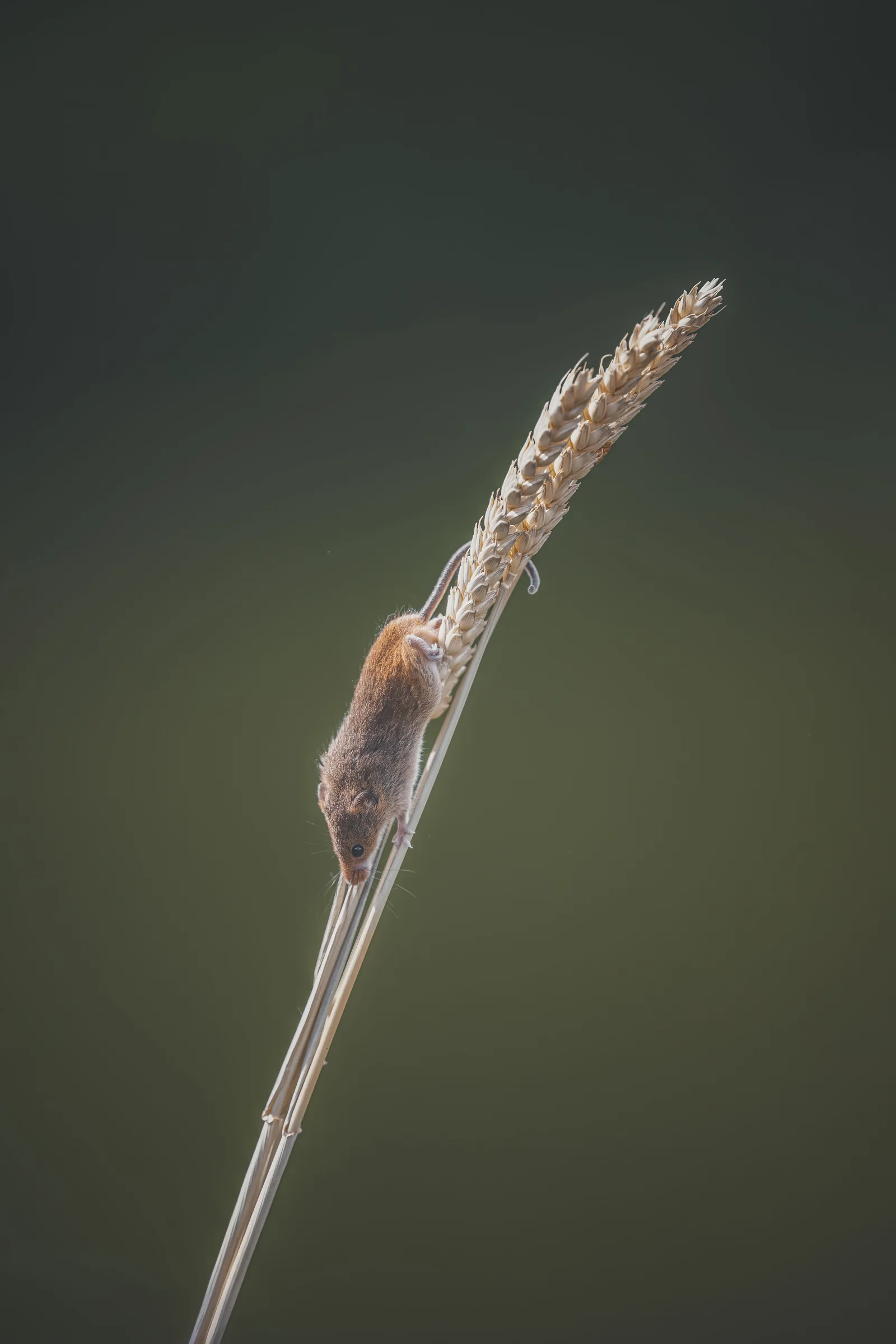
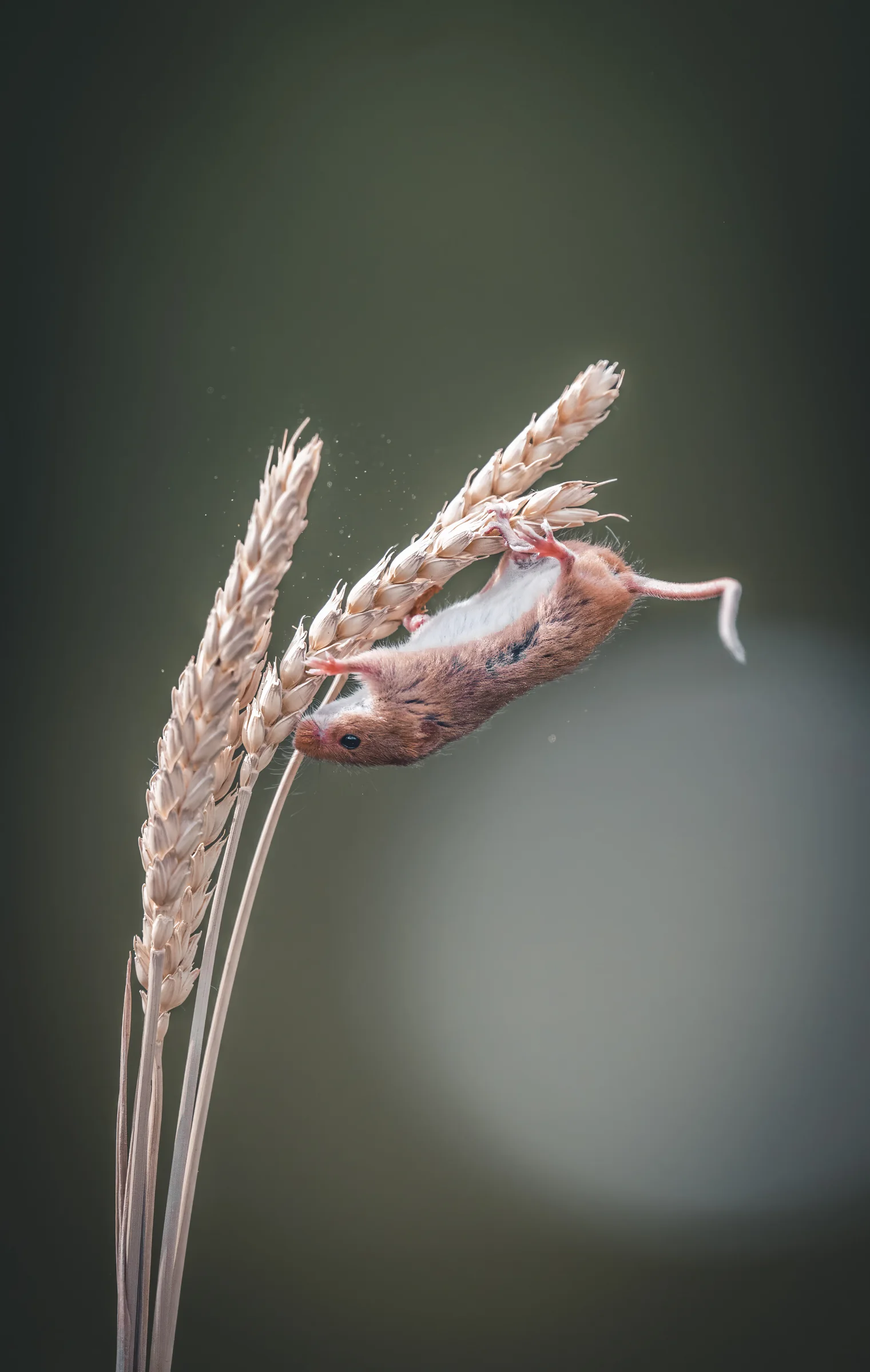
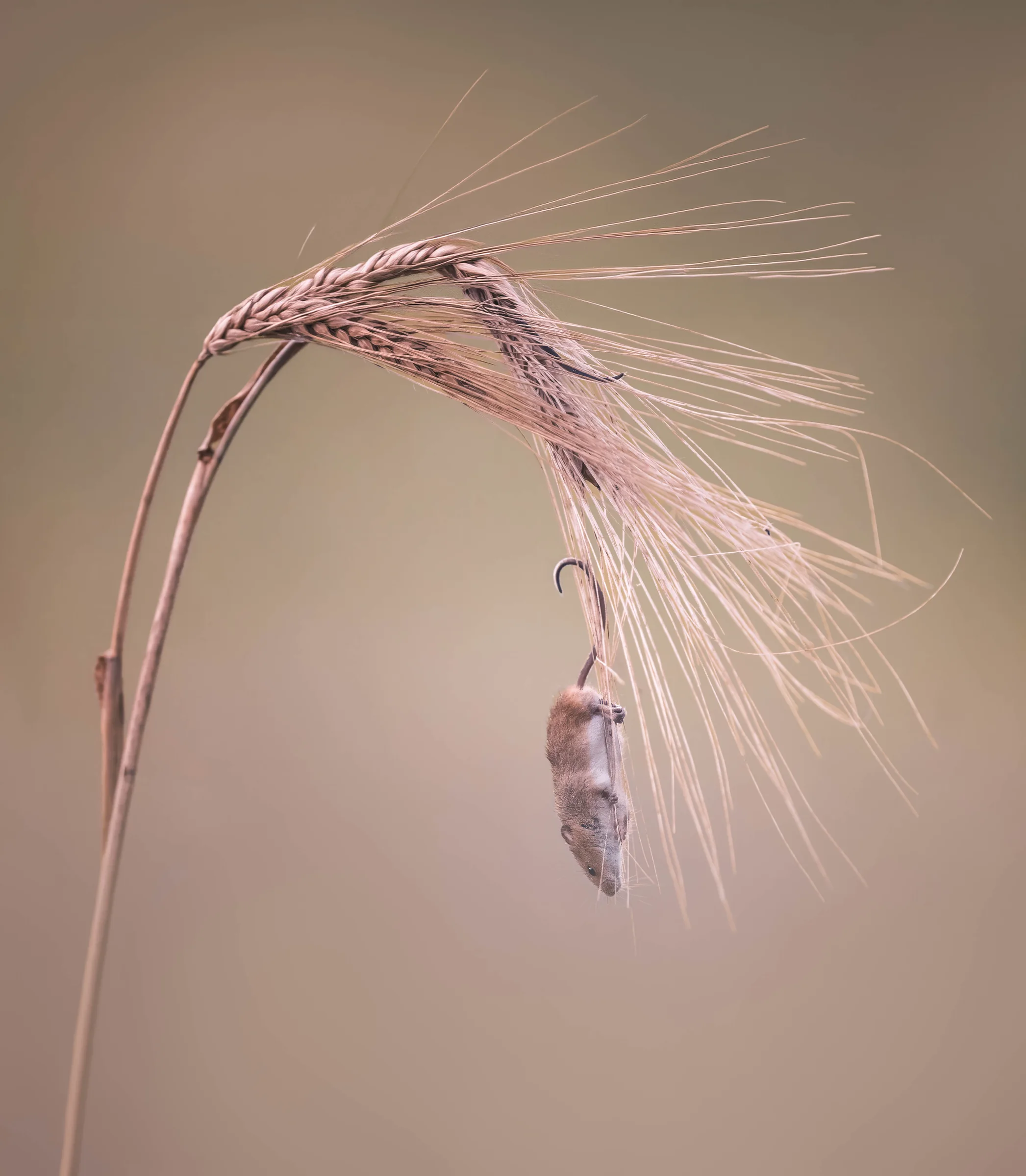
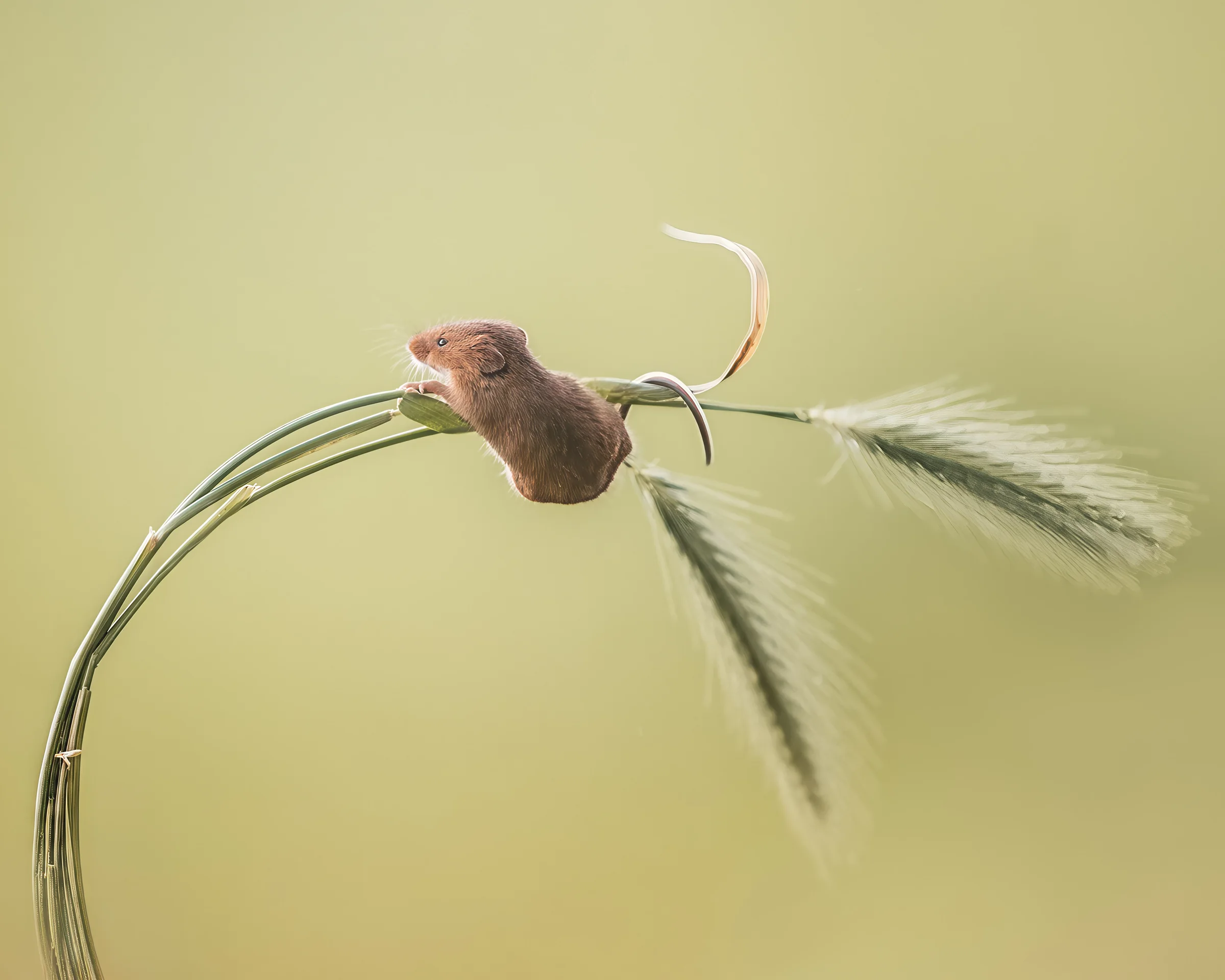
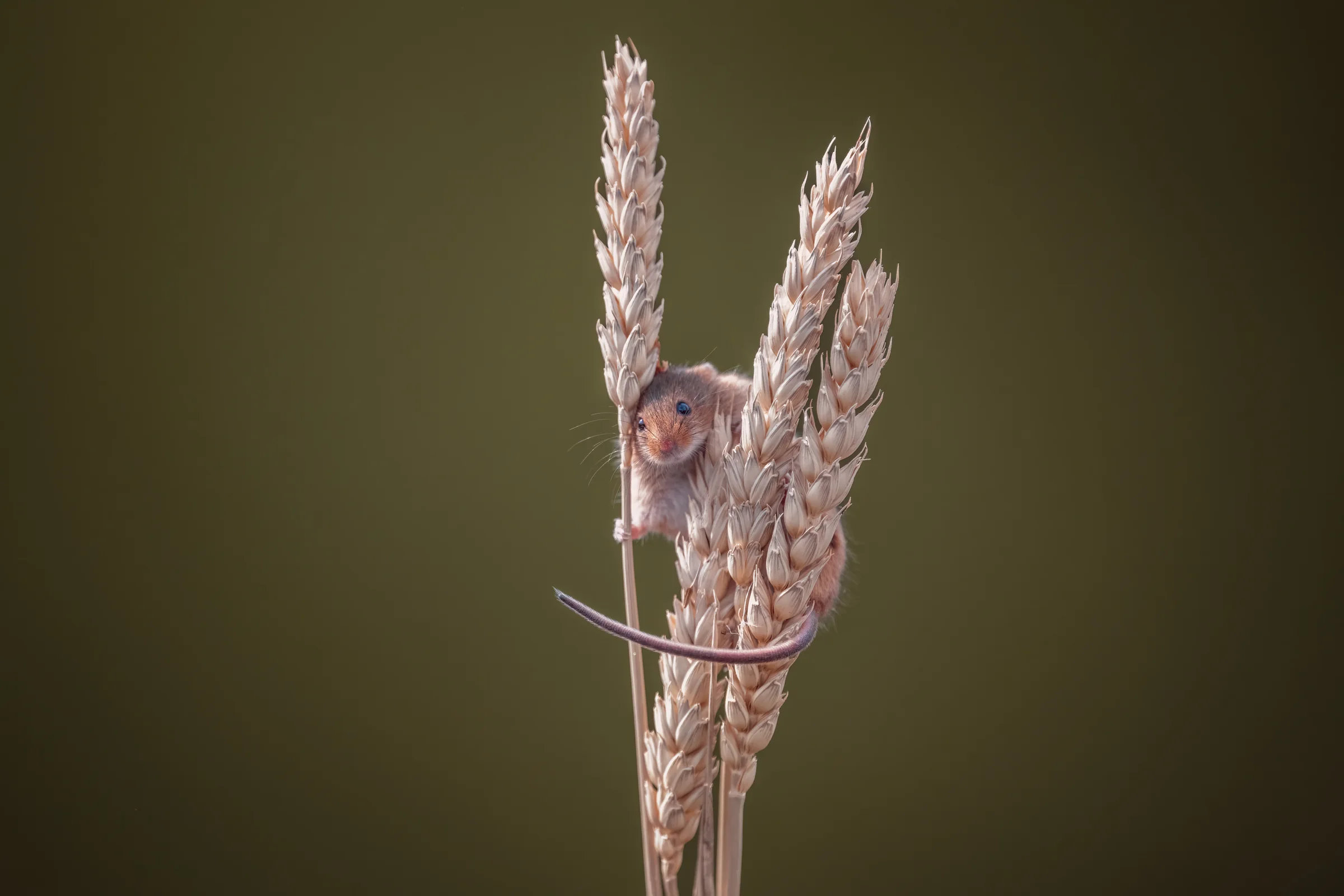
At first, there was only a barely visible movement in the grass. A stalk trembled although there was no wind. Then, for a fraction of a second, a small face appeared between the ears of grain. The longer I waited in silence, the more this hidden world opened up: mice climbed seemingly weightlessly up slender stems, balanced upside down and vanished among the plants again the next instant.
I did not simply want to capture quick snapshots. I observed their routes, their brief pauses and the remarkable confidence with which they used every plant as climbing frame, cover and larder. What looks tiny and inconspicuous from a distance became, through the camera, a stage filled with character and movement.
Those who take their time can discover an entire wilderness in even the smallest subject.
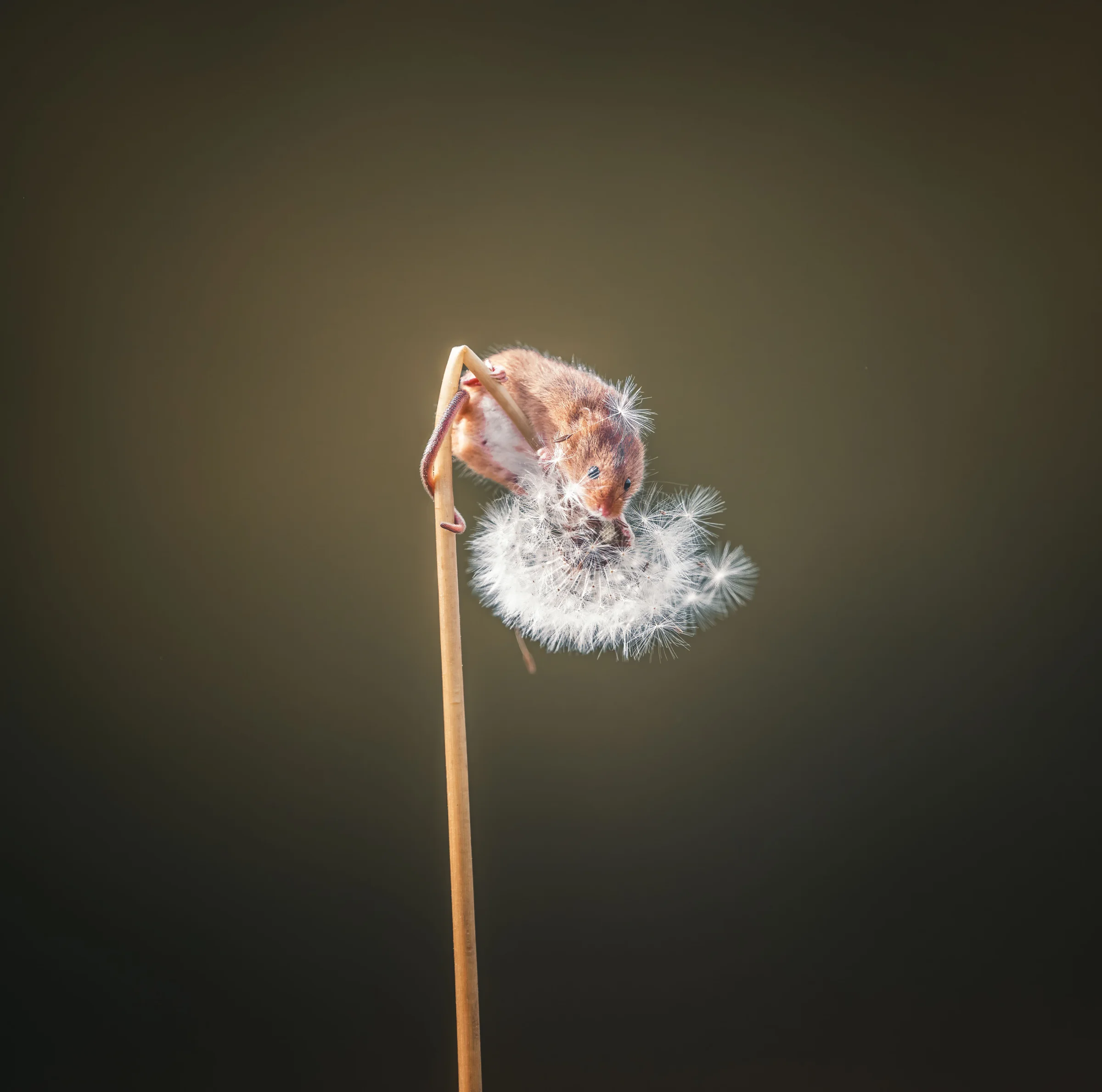
At eye level with 600 millimetres
For this series, I used my Nikon 600mm f/4. This exceptional telephoto lens allowed me to photograph the shy animals from a respectful distance without entering their natural routes or influencing their behaviour. At the same time, the 600 millimetres brought the mice visually close and suddenly made their tiny world appear monumental.
The fast f/4 aperture gently separated the animals from their surroundings. Stalks and meadows became calm fields of colour, while eyes, paws and the finest hairs emerged in detail. Yet the shallow depth of field demanded absolute concentration: even the smallest movement could decide whether a mouse’s eye was precisely in focus.
The long telephoto lens did not simply make the mice look larger. It revealed how much strength, balance and personality these tiny animals possess. Every leap, every grip around a stalk and every curious glance became a moment every bit as impressive as an encounter with a large wild animal.
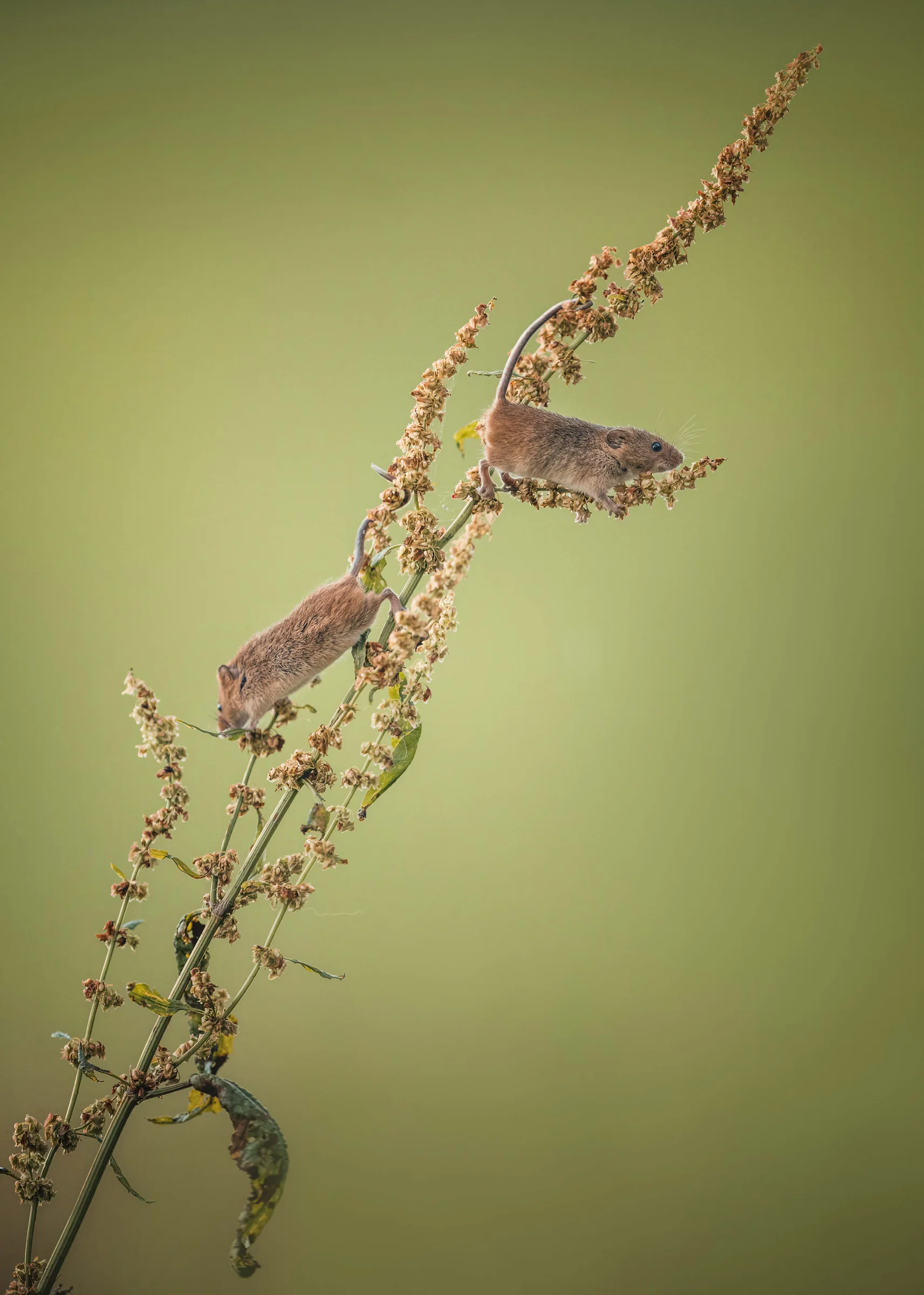
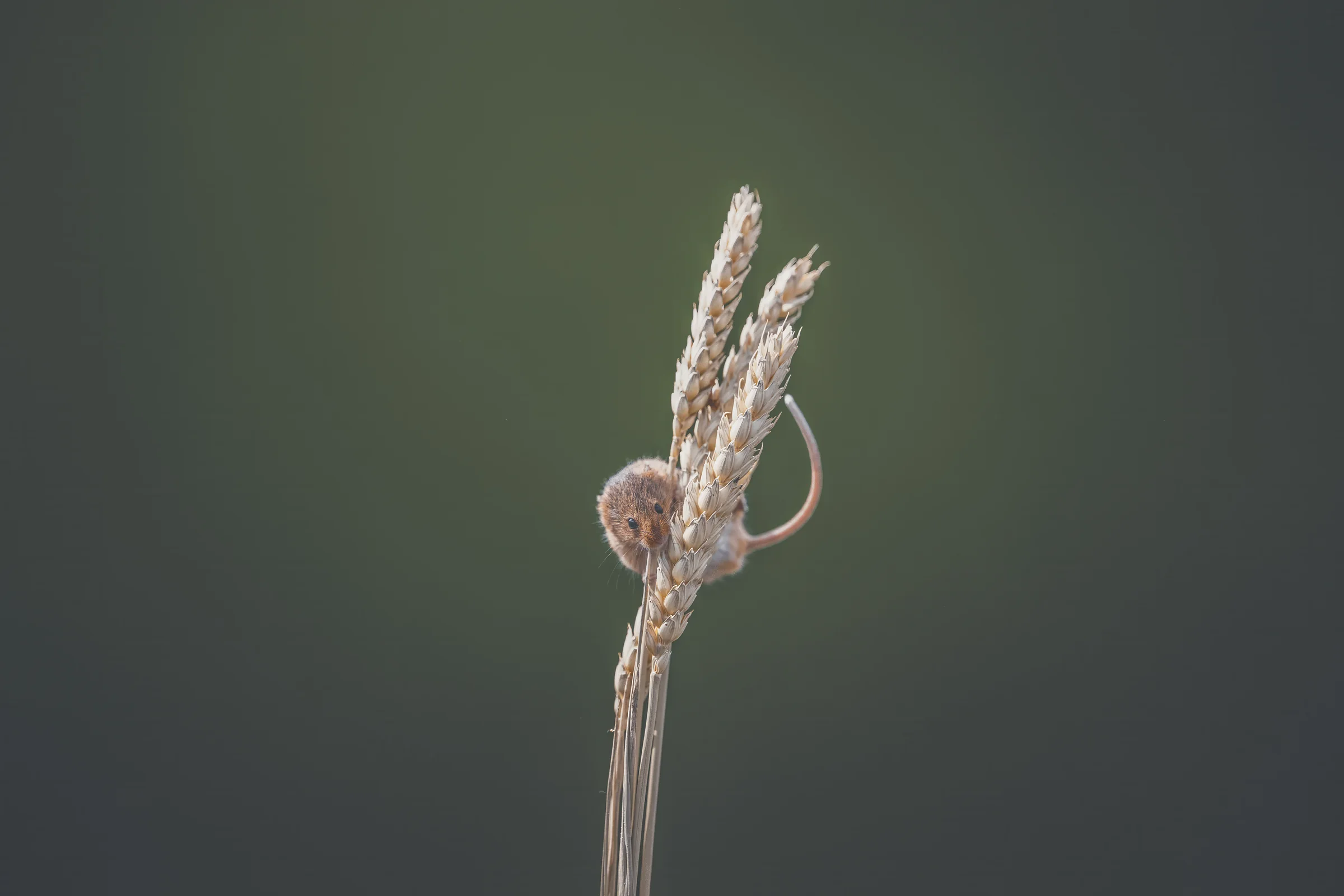
Great stories do not need large animals
These encounters reminded me once again that powerful wildlife photography does not depend on the size of the animal. What matters is remaining attentive and adapting to the subject’s rhythm. In a world that is easily overlooked, feats of courage, climbing artistry and quiet portraits unfolded in front of my camera.
With the Nikon 600mm f/4, I was able to make these moments visible without taking away the mice’s intimacy or natural behaviour. Tiny inhabitants of field and meadow became, for me, the giants of a small and fascinating world – and that is precisely where the magic of this series lies.